Web3 · Research · Pillar
Pillar
Bringing user research to a crypto wallet in 2018: personas built from talking to real crypto users, and a low-cost mobile testing lab to check designs with them.
- Role
- UX designer at Pillar, a London crypto-wallet startup
- When
- 2018
- Delivered
- A user research and testing programme, three crypto-investor personas, and a mobile testing lab I trained colleagues to run
- Practice
- User research · Personas · Usability testing · Research operations
- 3crypto-investor personas, built from research
- Dozensof people interviewed and tested
- 1low-cost mobile testing lab, run by colleagues I trained
I have been working in crypto since 2018. From the start I brought a focus on user experience and user research, something the industry has long struggled with, and it has stayed a priority for me ever since. Pillar is where that began.
The problem
Interest in crypto had boomed in 2017. It was a new industry, and nobody was quite sure who they were designing for. At Pillar we did not know who our users were, and we were not testing our designs with them early enough.
Finding out who the users were
When I joined Pillar, the first thing I did was user research. I read surveys, analysed social media and, most importantly, spoke to people in person. Through many hours of interviewing and testing dozens of people, at a time when the industry had very few UX researchers, I iterated on a set of personas for the three main types of crypto investor.
- The Enthusiast, by far the largest group. Many had only arrived in 2017, but they knew a great deal, cared about decentralisation and hated scams and hype, while still watching the token price.
- The Newbie, young and used to managing money on their phone with apps like Monzo and Revolut. Intrigued by crypto, but saw only the hassle. They needed clear explanations and tangible examples.
- The Curious Investor, the group I had overlooked: older, from traditional finance, careful about compliance and tax, preferring desktop, and investing far more. Designing for them means even font size and icon choice matter more.
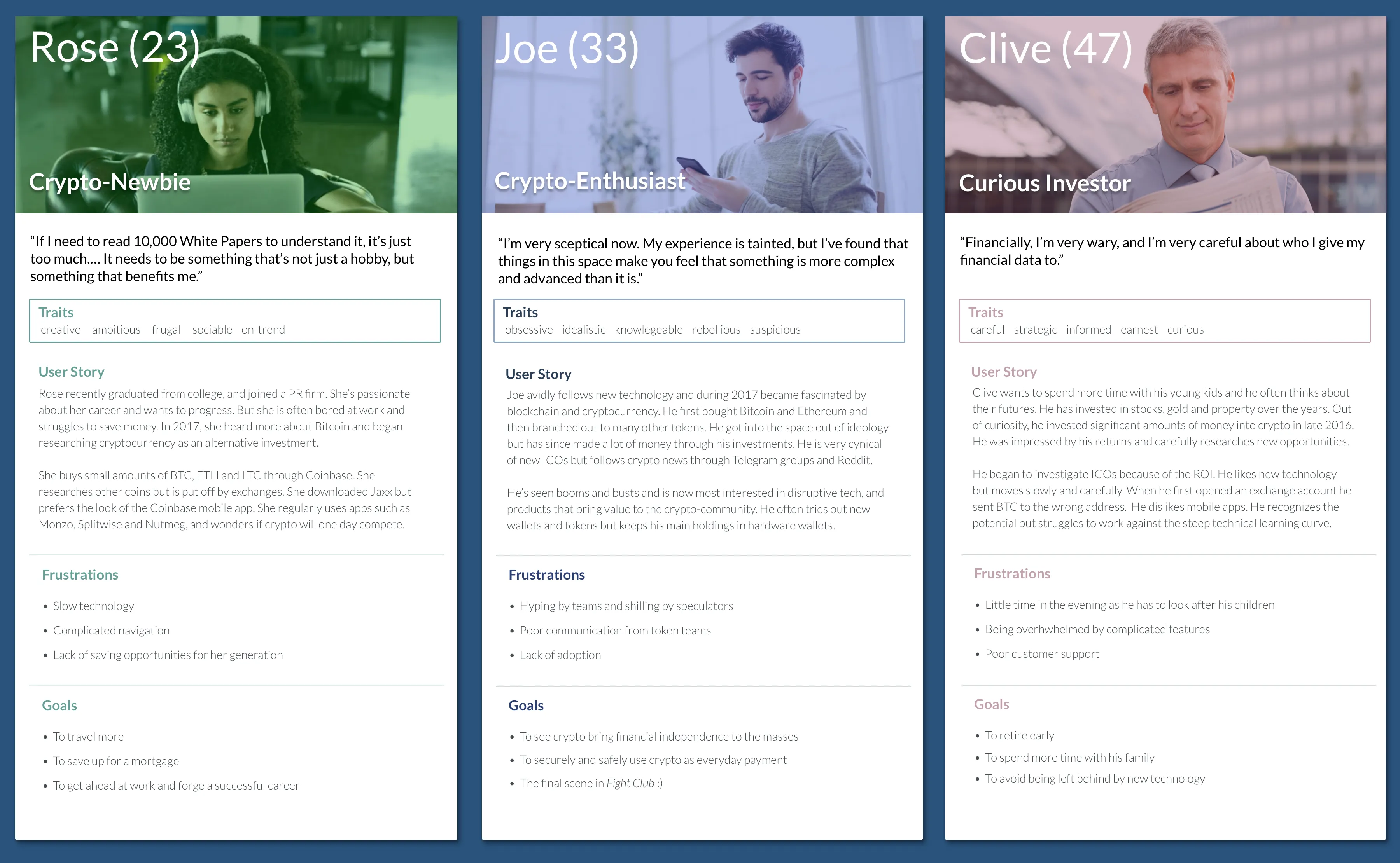
The three personas as a one-page infographic.
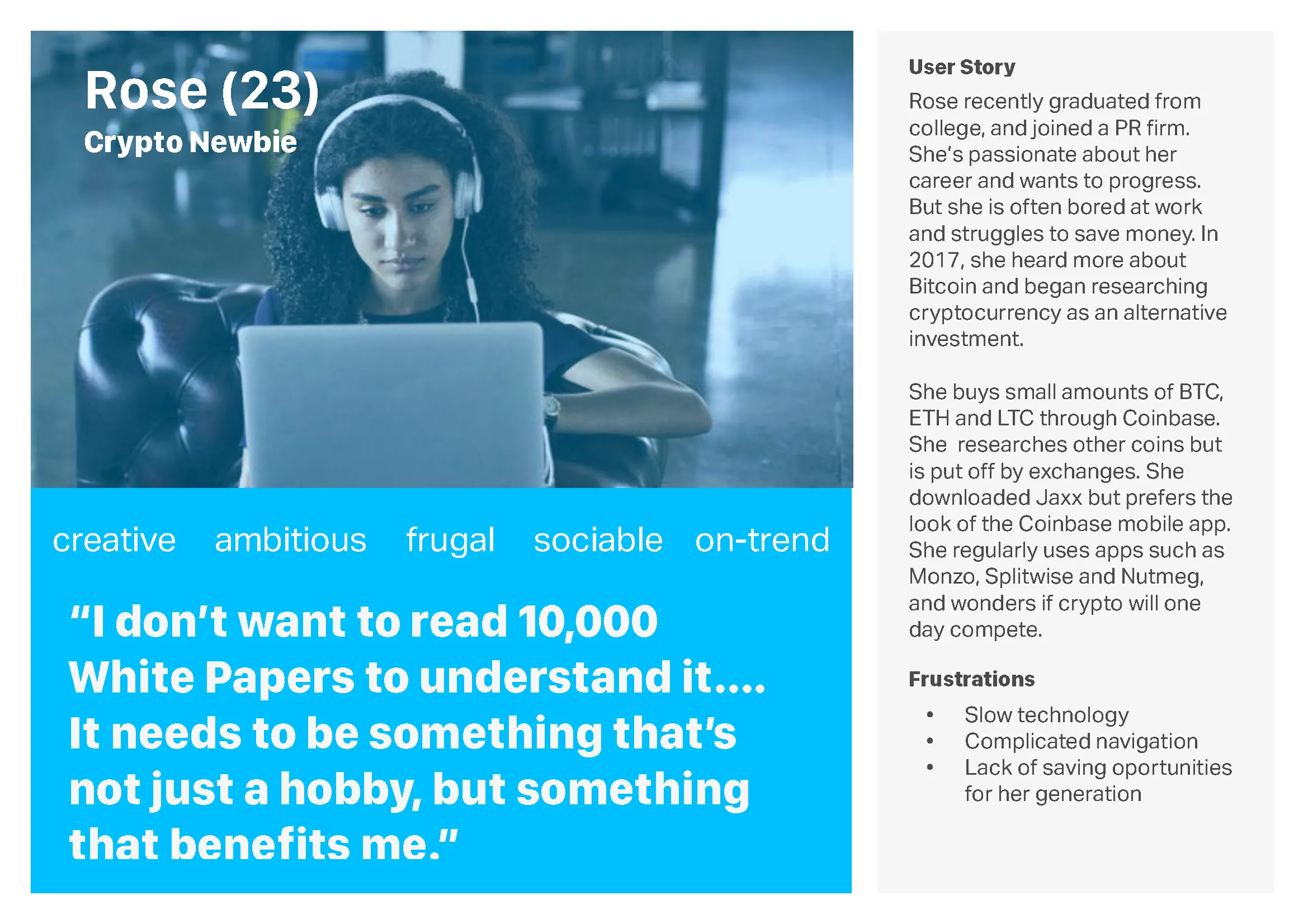
One of the standalone persona cards.
I published the personas on UX Collective so the wider community could use and improve them. Several crypto firms got in touch after it was published.
Building a mobile testing lab
To check designs with real users, I wanted a proper mobile usability lab without the cost. The key was to record not just the phone’s screen but the user’s hands: whether they tap or swipe, where their thumb goes first, and where they hesitate.
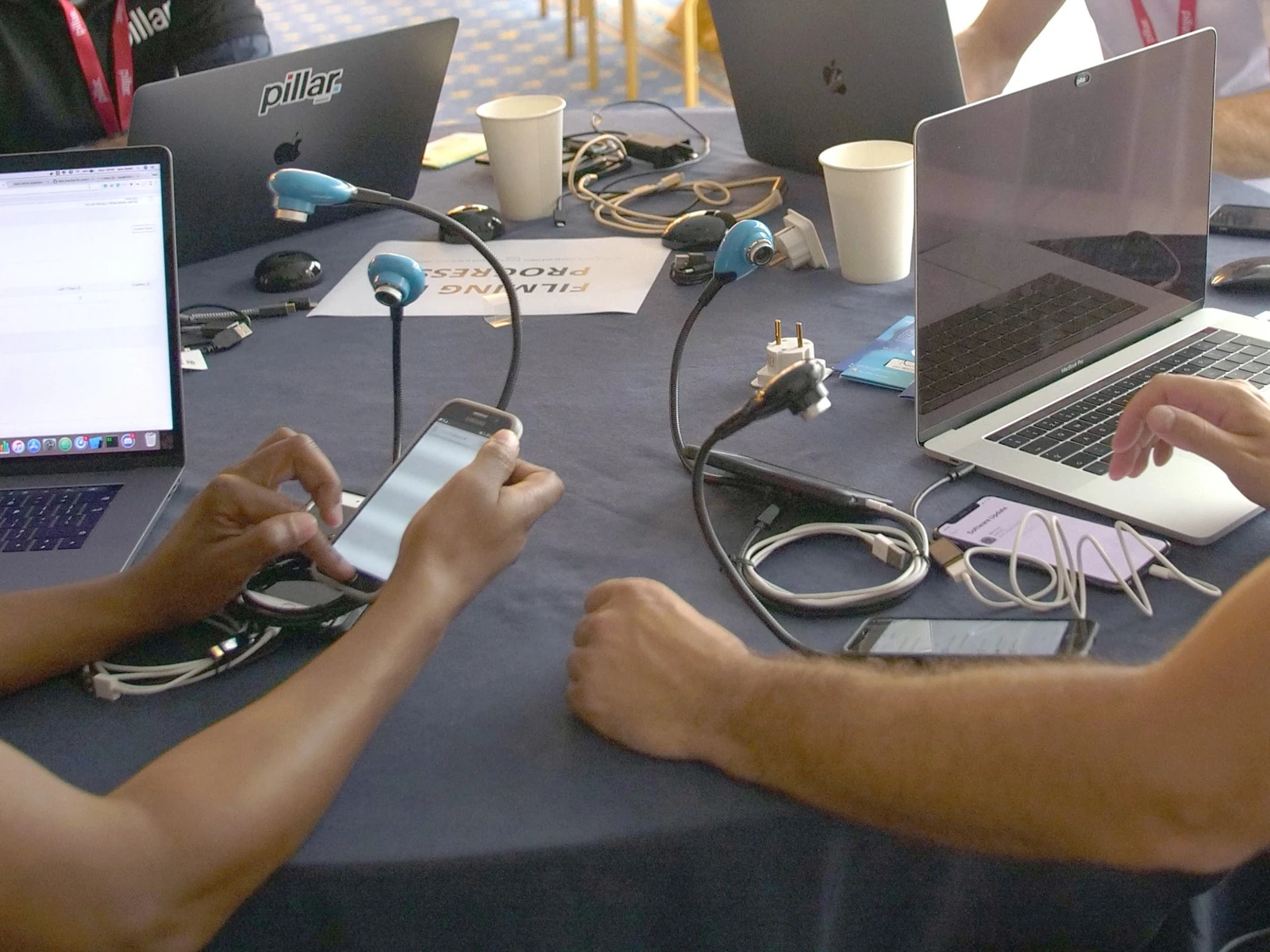
The simplest, cheapest method I found was to cable-tie a webcam to a phone case, a “sled” costing about £59 in parts. Free streaming software, OBS, recorded the phone’s screen and the camera feed side by side, with the webcam’s microphone held close to the user the whole time. It could take several feeds at once, so we could test two people sending money and messages to each other in the wallet.
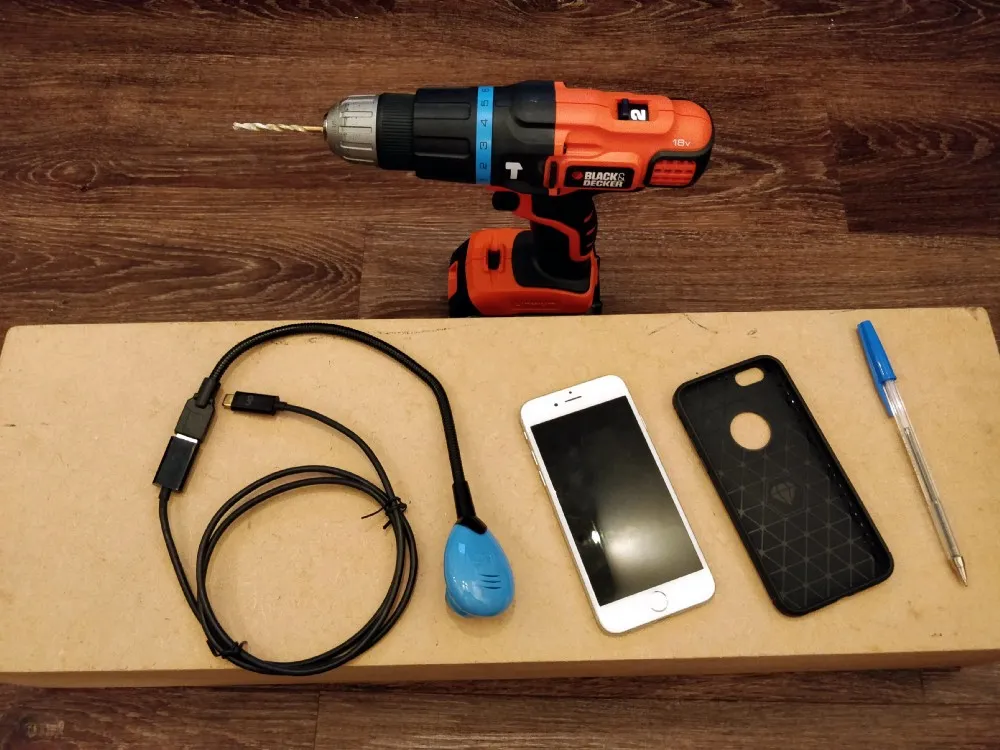
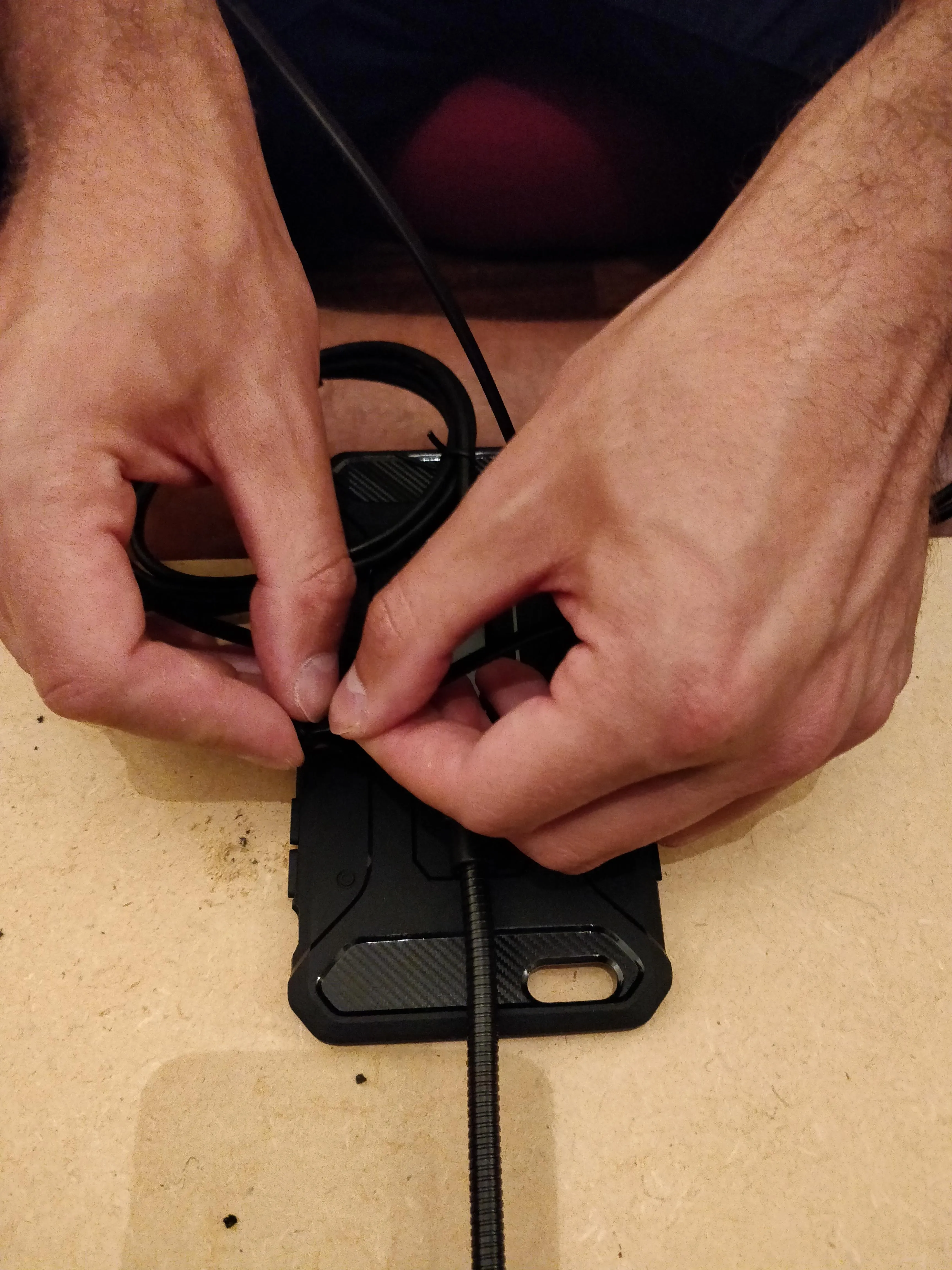
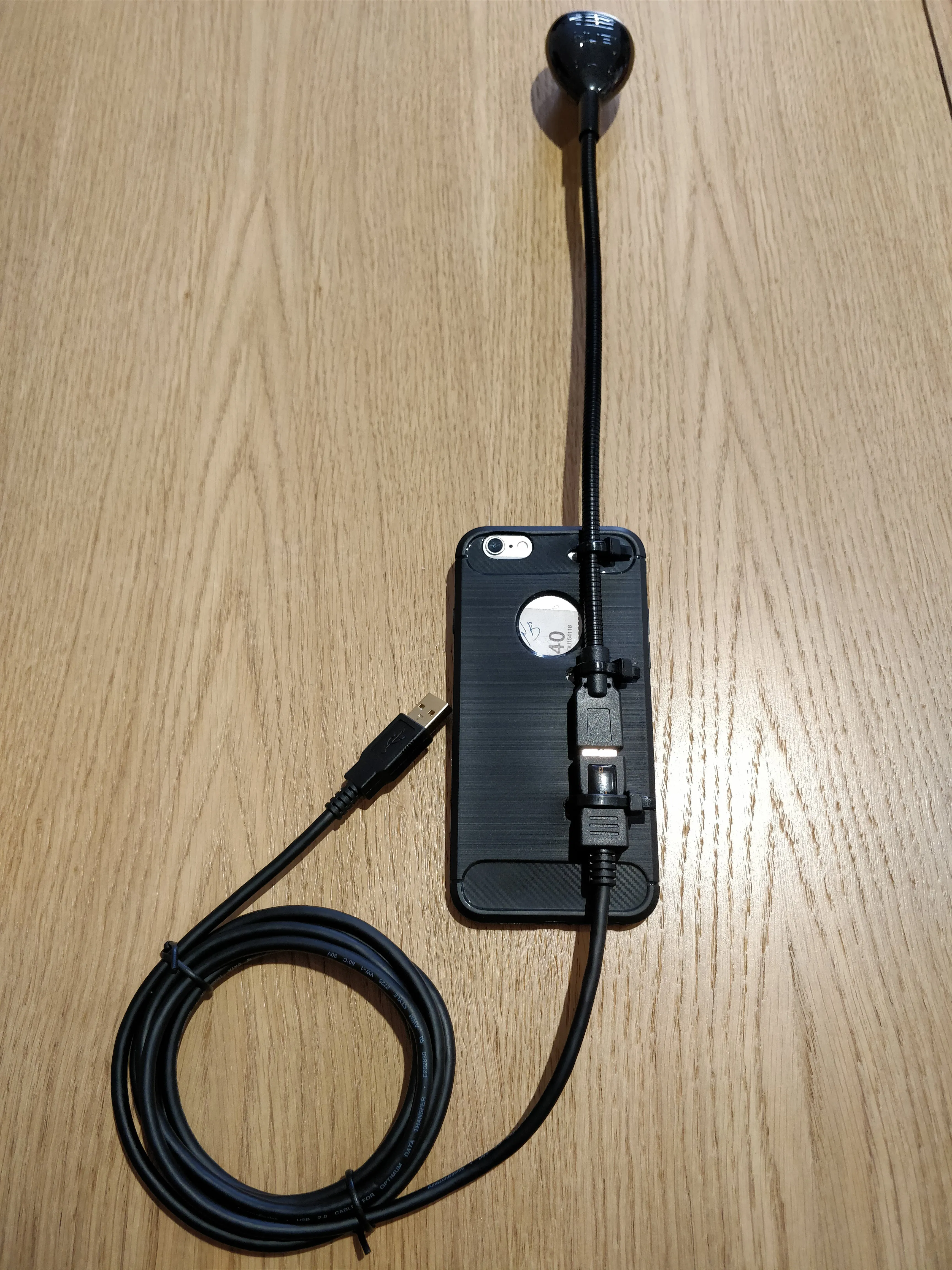
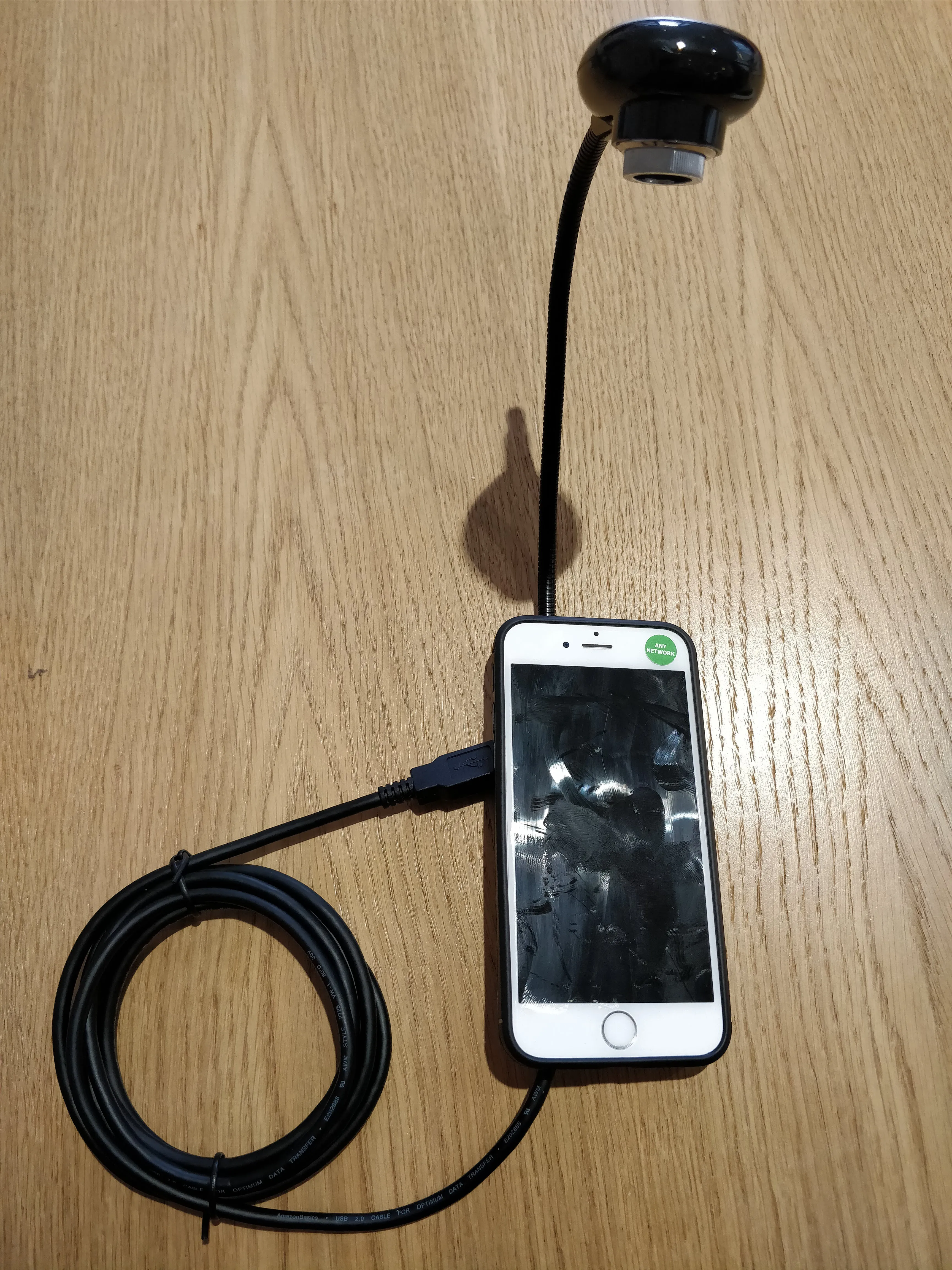
Building a test phone: parts, assembly and the finished sled.
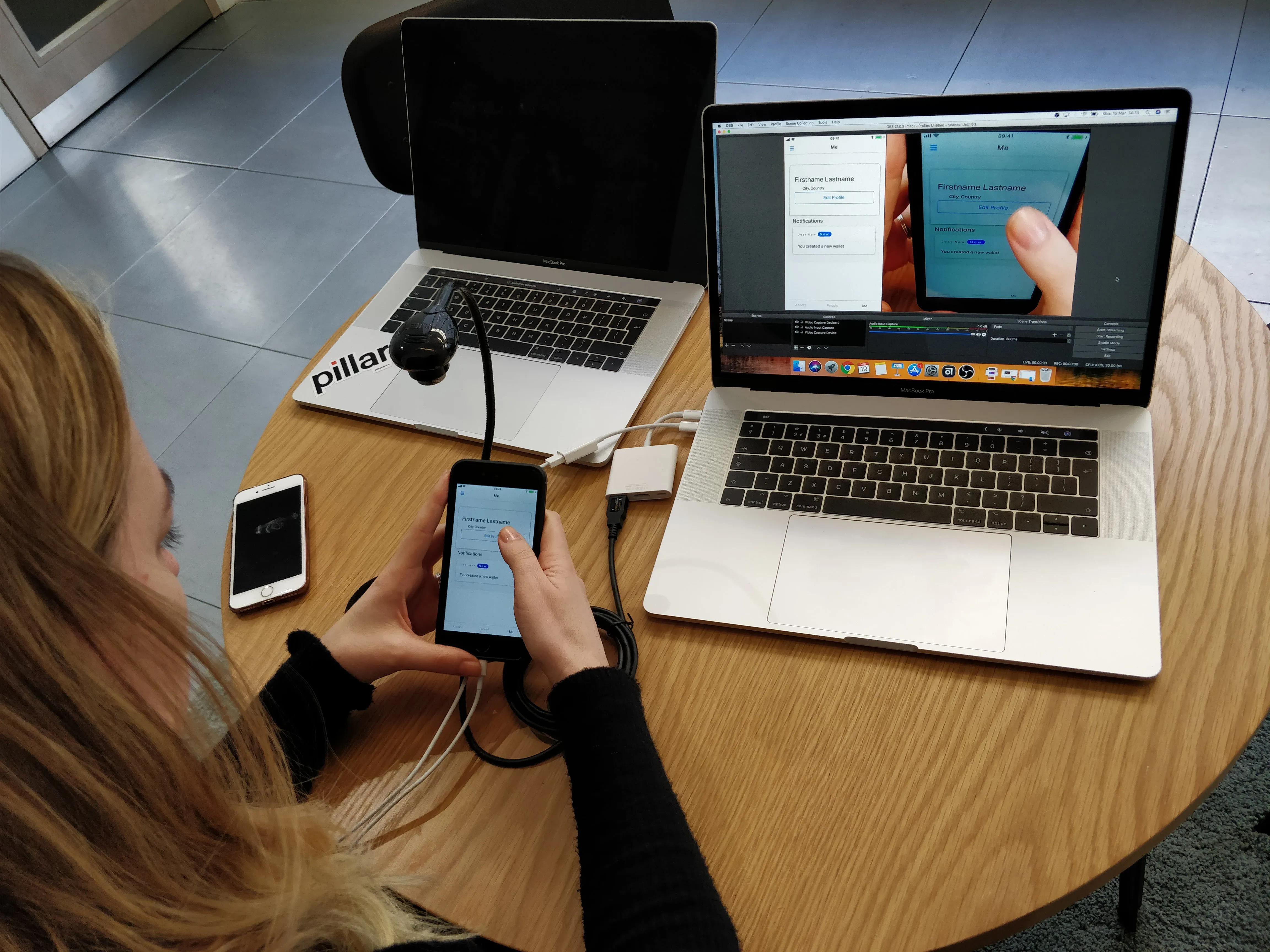
Trialling the finished setup with a colleague.
A recorded session: what the user saw, and what their hands did.
Making it a team practice
I trained a small team of colleagues to use the equipment, wrote the interview scripts, and ran test sessions at a week-long conference. At one event we used eight test phones, and it took my four-person team almost a full day to set everything up and test it. We paired an interviewer, who focused on putting the participant at ease, with a videographer who watched the feeds and took timestamped notes, which made analysis and highlight reels much faster.
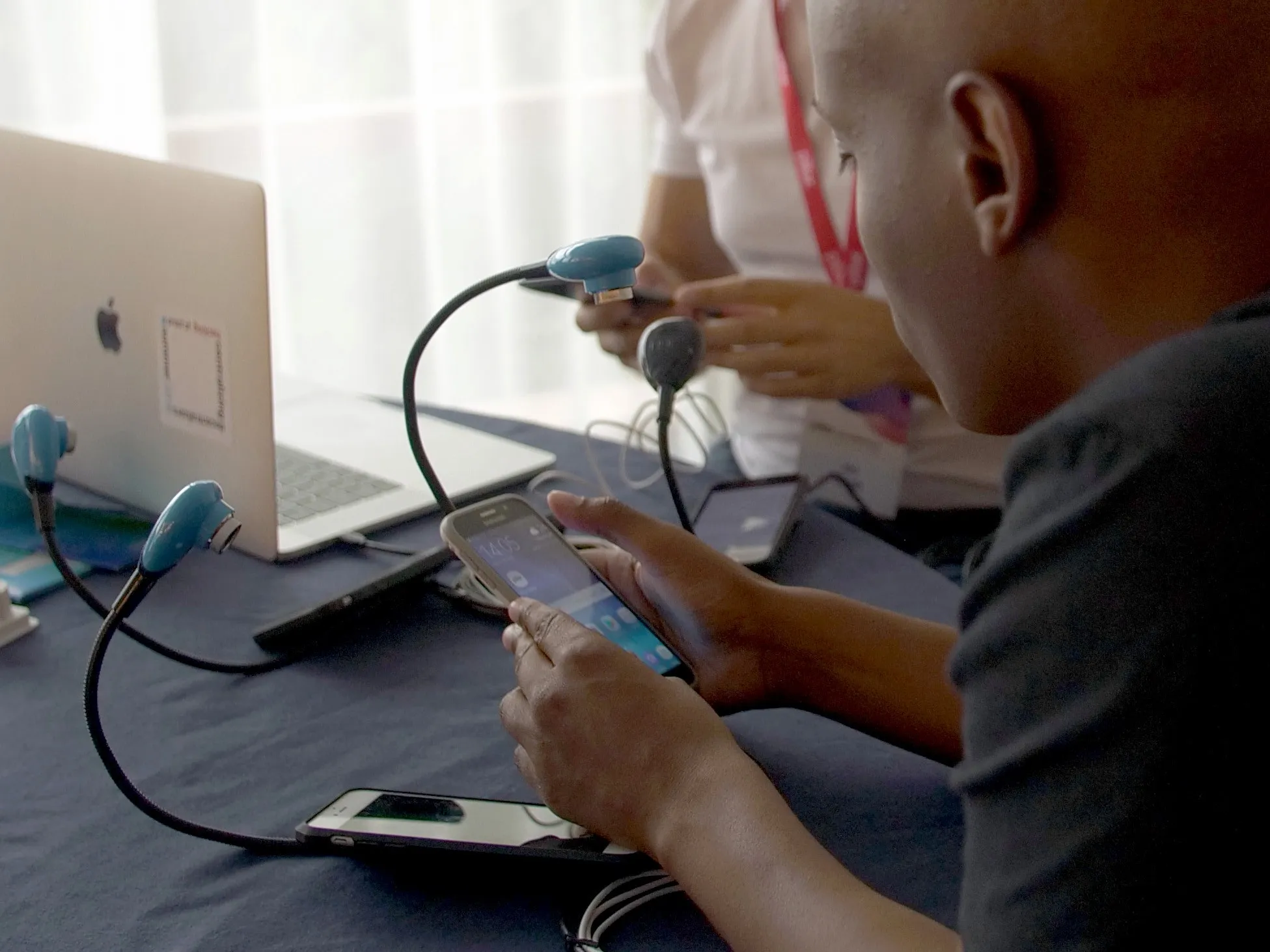
Testing at the conference.
I wrote up everything I learned, from the parts list to interview technique, as a guide on UX Collective, and talked about testing the Pillar Wallet in a video for Pillar.
What I took from it
The tools have moved on since 2018, but the habits have not. Pillar is where I learned to plan and run usability tests, write interview scripts, turn conversations into personas a team can use, and teach colleagues to do the same. It also showed me that a small team does not need a big budget to test properly: a drill, some cable ties and free software were enough to put real users in front of our designs.